
3 Builder Releases to Test: Agents API, Gemini 3.8 Live, and Copilot Apps
This week's releases reduce setup work in three different places: long-running cloud agents, real-time voice products, and internal business apps. That does not make any of them an automatic production choice. Each needs a small test against your actual workflow, data rules, and operating cost.
1. OpenAI Agents API
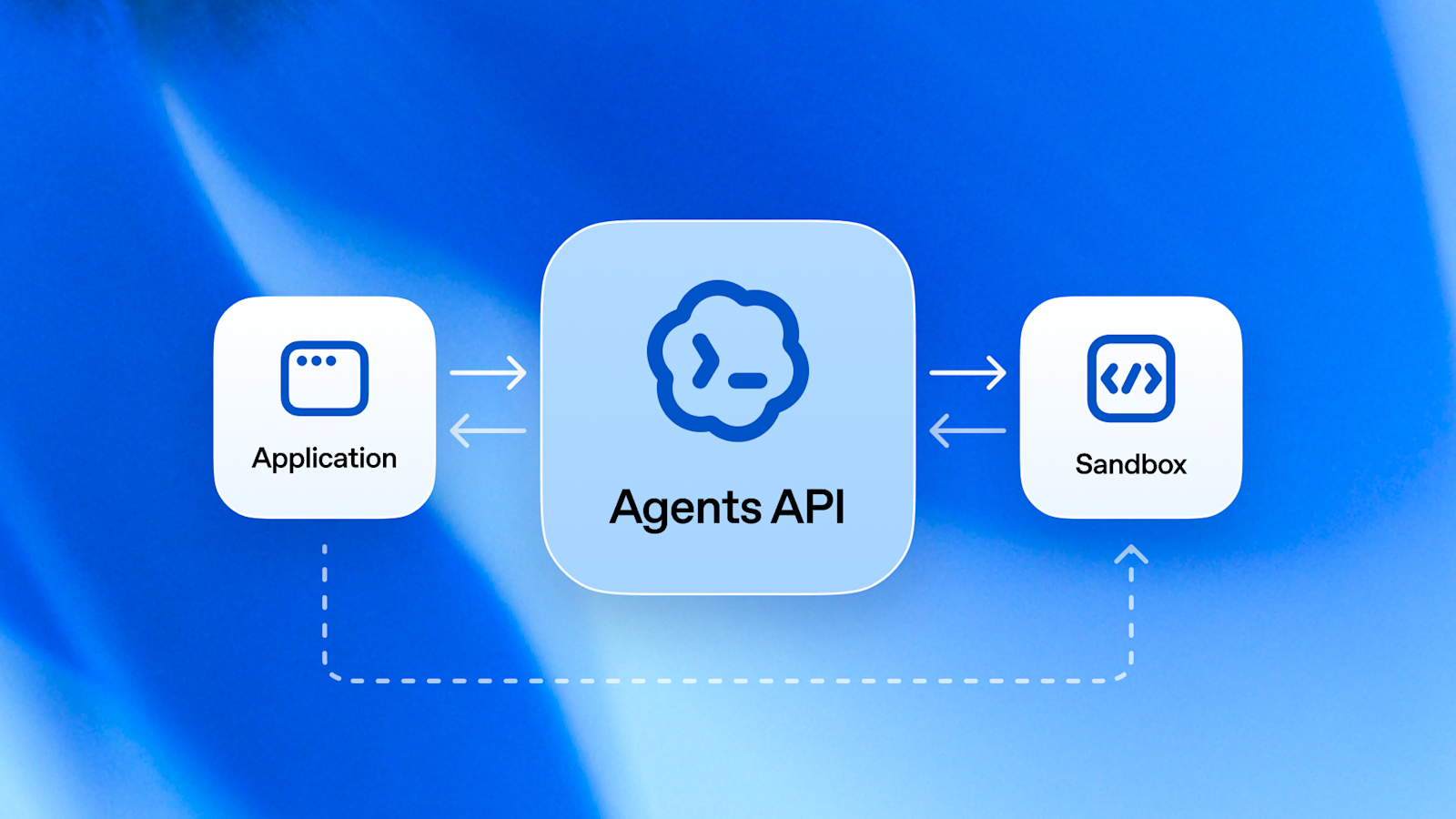
What changed: On September 10, OpenAI released the Agents API in public beta for all developers. It exposes the managed harness behind Codex, including durable sessions, context compaction, tool search, programmatic tool calling, and multi-agent coordination. Builders can use an OpenAI-hosted sandbox, their own infrastructure, or a supported sandbox provider.
Who should care: Teams already maintaining custom orchestration for coding, research, analysis, or other long-running agent jobs.
Builder test: Rebuild one bounded workflow that currently needs several prompt chains or worker jobs. Give it a fixed input set, two or three tools, and a required output file. Compare completion rate, total token and tool cost, elapsed time, and the amount of orchestration code you can remove.
Limits to check: The API is still in public beta. OpenAI says there is no separate Agents API fee, but token and tool charges still apply. The Agents API overview says session state is retained, current data residency is limited to the United States, and Zero Data Retention is not supported. The sandbox security guide also warns that agent-generated code can access files, credentials, and networks exposed to its environment. Start with non-sensitive inputs and narrow permissions.
2. Gemini 3.8 Live
What changed: On September 15, Google released Gemini 3.8 Live and Gemini 3.8 Live Extended Thinking through the Live API and Google AI Studio. The models support asynchronous function calling, live visual context, multilingual dialogue, alphanumeric parsing, and structured updates during a conversation. Extended Thinking adds configurable reasoning for more complex tasks.
Who should care: Builders working on voice assistants, guided support, live tutoring, accessibility tools, or hands-free creator workflows.
Builder test: Build a five-minute voice flow that must keep speaking while a background tool runs. Include one interruption, one language switch, and one confirmation code. Log tool latency, transcription errors, recovery after interruption, and the final cost per completed session.
Limits to check: Google lists estimated pricing of $0.005 per minute for audio input and $0.018 per minute for audio output, based on token pricing. Those estimates are not a substitute for measuring your own conversations. The announcement does not spell out privacy or retention terms, so review the applicable Gemini API data policies before testing private calls or customer data.
3. App building in Copilot Cowork and Copilot Studio
What changed: On September 10, Microsoft announced natural-language app building in Copilot Cowork and Copilot Studio. The /app skill is available through the Microsoft Frontier program. Native app building in Copilot Studio is rolling out in public preview. Builders can describe an app, inspect its scaffold and code, connect organizational data, and publish it under Microsoft 365 governance.
Who should care: Microsoft 365 teams that need small internal workflow apps tied to existing data and connectors.
Builder test: Prototype one approval or onboarding app with a single data source and one write-back action. Test it with a maker, an end user, and an admin. Check whether permissions, connector policies, source control, deployment stages, and audit visibility work before expanding the app.
Limits to check: Access depends on the Frontier program or the public-preview rollout in your environment. Microsoft says building and running follows usage-based billing, but the announcement does not provide a fixed per-app cost. Connected apps can write back to business systems, so review connector permissions and data policies before publishing.
ZetsuEDU takeaway
The useful pattern is not "AI builds everything." Each release removes a specific layer of setup. Agents API can replace some orchestration, Gemini 3.8 Live can simplify real-time voice stacks, and Copilot app building can shorten the path to governed internal tools.
Pick the release closest to a workflow you already understand. Run a narrow test with a pass or fail condition. Keep it only if it improves reliability, cost, or build time without weakening data controls.
